The Lord of the Rings: The Fellowship of the Ring (2001)

As a fantasy film, The Lord of the Rings: The Fellowship of the Ring (2001) exhibits all the hallmarks of its genre, as one would expect from an adaptation of J. R. R. Tolkien’s 1954 classic high fantasy novel. The story takes place in Middle-earth, an imagined, self-contained world rather than our real one. Magic is also a central and pervasive force, whether it’s through magical artifacts like the One Ring or the abilities of wizards like Gandalf and Saruman. The film features mythical beings ranging from immortal Elves to grotesque and malevolent creatures like Orcs, Goblins, and Trolls. As I note in my book Action Scenarios in Film: The Essential Guide to Action in Film, the modality of a fight scenario changes with the film genre in which it’s situated. This holds true for fantasy films as well, with the fight between Gandalf and Saruman being an illustrative case.

Nobody (2021)

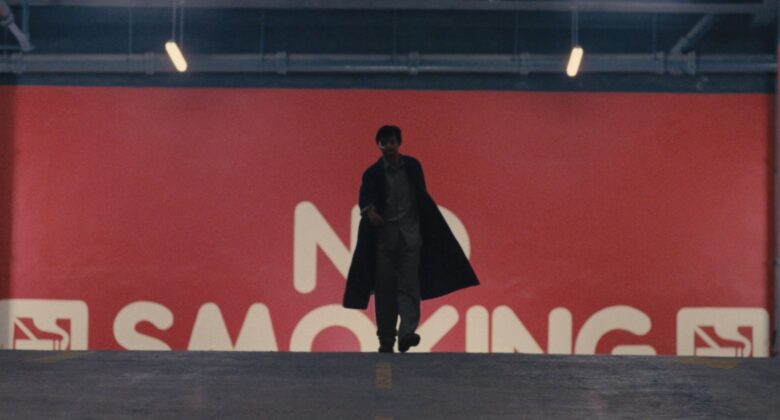
One of the ways that action films make themselves distinctive is by defamiliarizing the genres on which they are based through unique genre combinations. Nobody (2021) does so by combining elements from the espionage film with that of the gangster movie, a sub-genre of the crime film. This combination assumes its primary shape through the film’s protagonist-antagonist structure.

Rambo: First Blood Part II (1985)

Nothing in action films signals the agency of the hero protagonist as much as the ability to switch from a captive to an escapee. In Rambo: First Blood Part II (1985), Rambo accomplishes this feat during the interrogation scene, replicating the same captive-escapee reversal executed in the film’s predecessor First Blood (1982). From this point on, Rambo’s agency in the film increases exponentially from a devastating avenger to a deliverer of salvation by rescuing American prisoners of war from a brutal Vietnamese prison camp.